Backpacks & Luggage: How to Choose the Right Travel Setup in 2025
Whether you’re planning weekend city breaks or long multi-country trips, choosing between a backpack, suitcase, or hybrid can make or break your travel experience. This guide explains exactly what to look for—capacity, comfort, materials, airline sizes—and gives simple recommendations by use case. Keep it practical, light, and stress-free.

Quick Summary
- Weekend trips (1–3 days): 20–30L backpack or compact carry-on suitcase.
- One-bag travel (5–10+ days): 35–45L backpack with good suspension or a 35–40L carry-on suitcase.
- Checked baggage: 60–90L suitcase for long trips, shared packing, or bulky gear.
- Hybrid option: backpack with stowable straps or convertible duffel on wheels for mixed surfaces.
Backpack vs. Suitcase vs. Hybrid
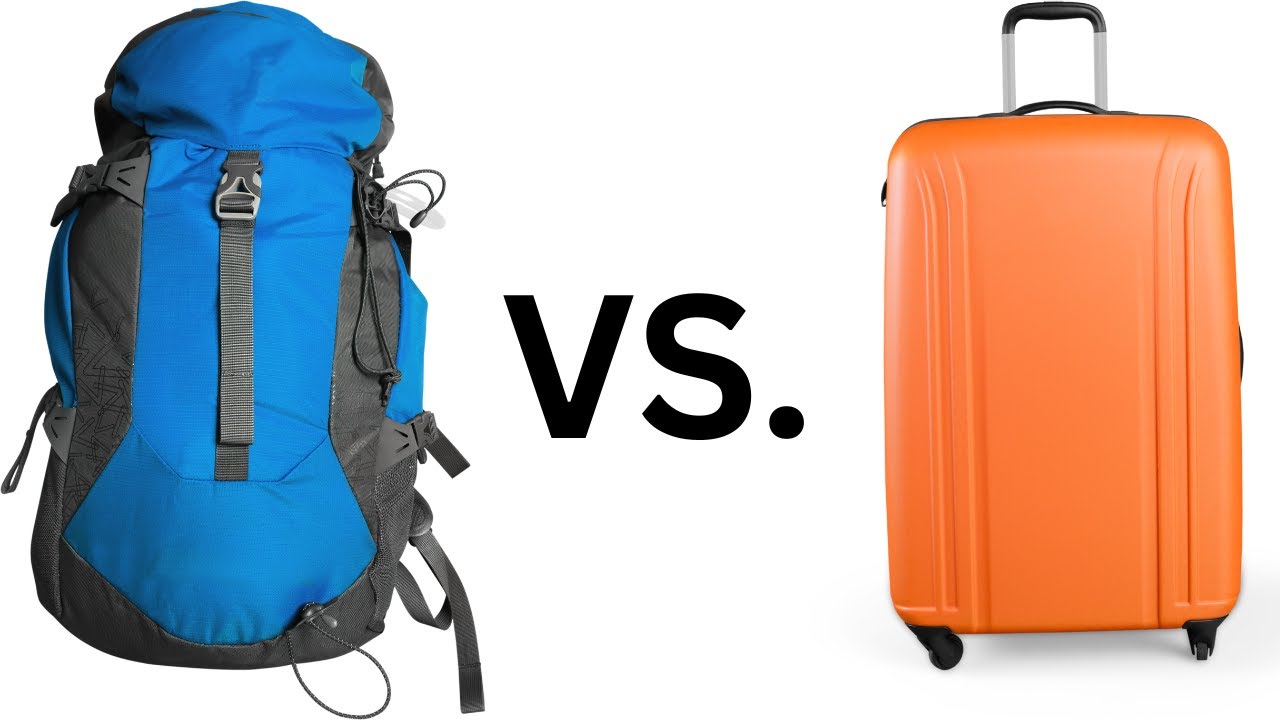
When a Backpack Wins
- Mobility: Stairs, cobblestones, ferries, and old towns are easier.
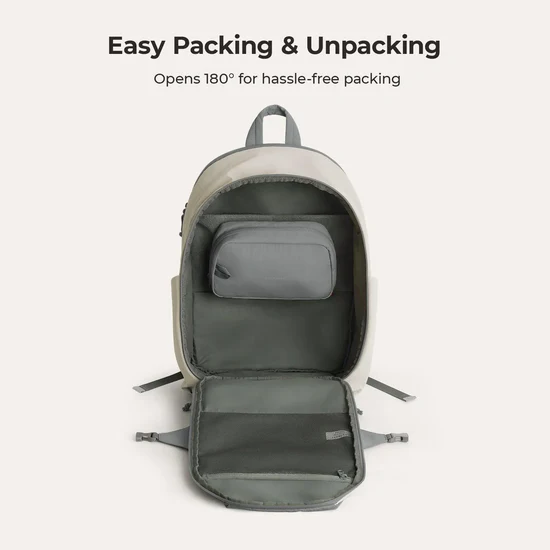
- Organization: Look for clamshell opening, internal dividers, and quick-access pockets.
- Comfort: Padded hip belt and adjustable torso length matter beyond 8–10 kg.
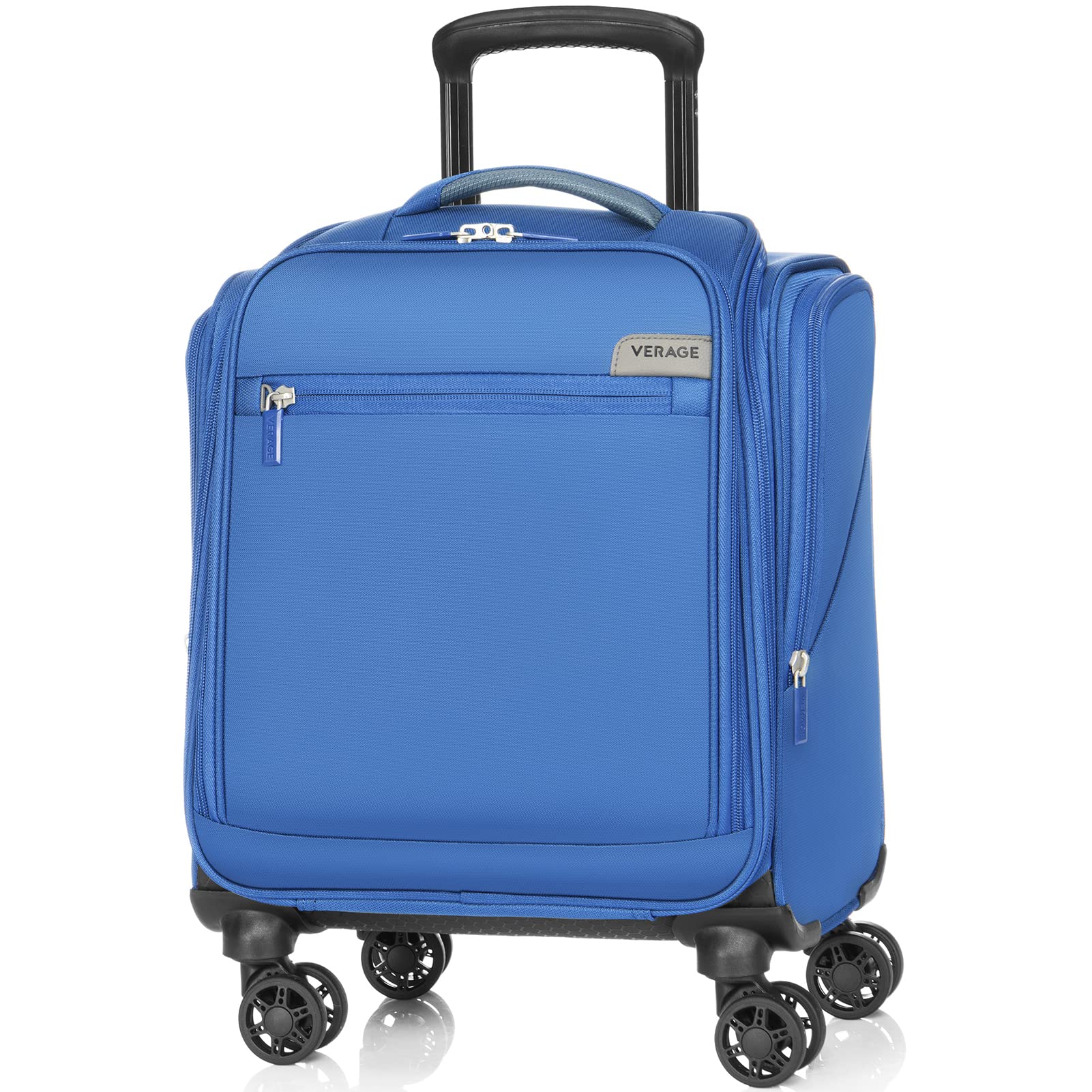
When a Suitcase Wins
- Protection: Hard shells protect fragile items; soft shells offer expandability.
- Effortless rolling: 4 spinner wheels glide in airports and hotels.
- Formal travel: Better for business attire and crease-sensitive clothing.
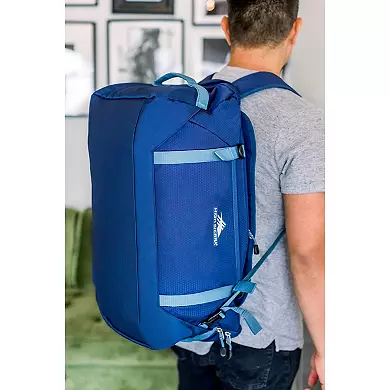
When a Hybrid Wins
- Mixed terrain: Wheels for smooth surfaces, shoulder straps for rough ground.
- Flexibility: Great for longer trips with varied transport (trains + ferries + buses).
Airline Carry-On: What Actually Fits
Carry-on rules vary by airline. A common guideline is around 55 × 40 × 20 cm (≈ 21.6 × 15.7 × 7.9 in) and 7–10 kg. Always check your specific airline’s policy before flying.
| Use Case | Suggested Size | Pros | Cons |
|---|---|---|---|
| Weekend carry-on backpack | 20–30L | Light, easy to stow, minimal gear | Limited space for shoes/jackets |
| One-bag carry-on backpack | 35–45L | Clamshell access, versatile, hands-free | Heavy on shoulders without good hip belt |
| Carry-on suitcase | 35–40L | Great organization, protects clothing | Cobblestones and stairs are awkward |
| Checked suitcase | 60–90L | Space for longer trips/gifts | Heavier; baggage fees possible |
Key Features to Look For
For Backpacks
- Fit & comfort: Adjustable torso, load lifters, ventilated back panel, padded hip belt.
- Access: Clamshell (suitcase-style) opens flat for easy packing.
- Materials: 400–600D nylon/poly blends balance durability and weight; water-resistant coating helps.
- Security: Lockable zips, discreet pockets, and zipper garages.
- Weight: Aim for 1–1.8 kg (carry-on backpacks) to stay light.
For Suitcases
- Shell: Polycarbonate for durable/light hard shells; quality soft shells resist abrasion and expand.
- Wheels: Four spinner wheels, replaceable if possible; smooth rolling bearings.
- Handle: Solid telescopic handle (minimal wobble) with multiple height stops.
- Interior: Compression straps, divided compartments, and a laundry pocket help keep order.
Packing Smart: Simple Wins
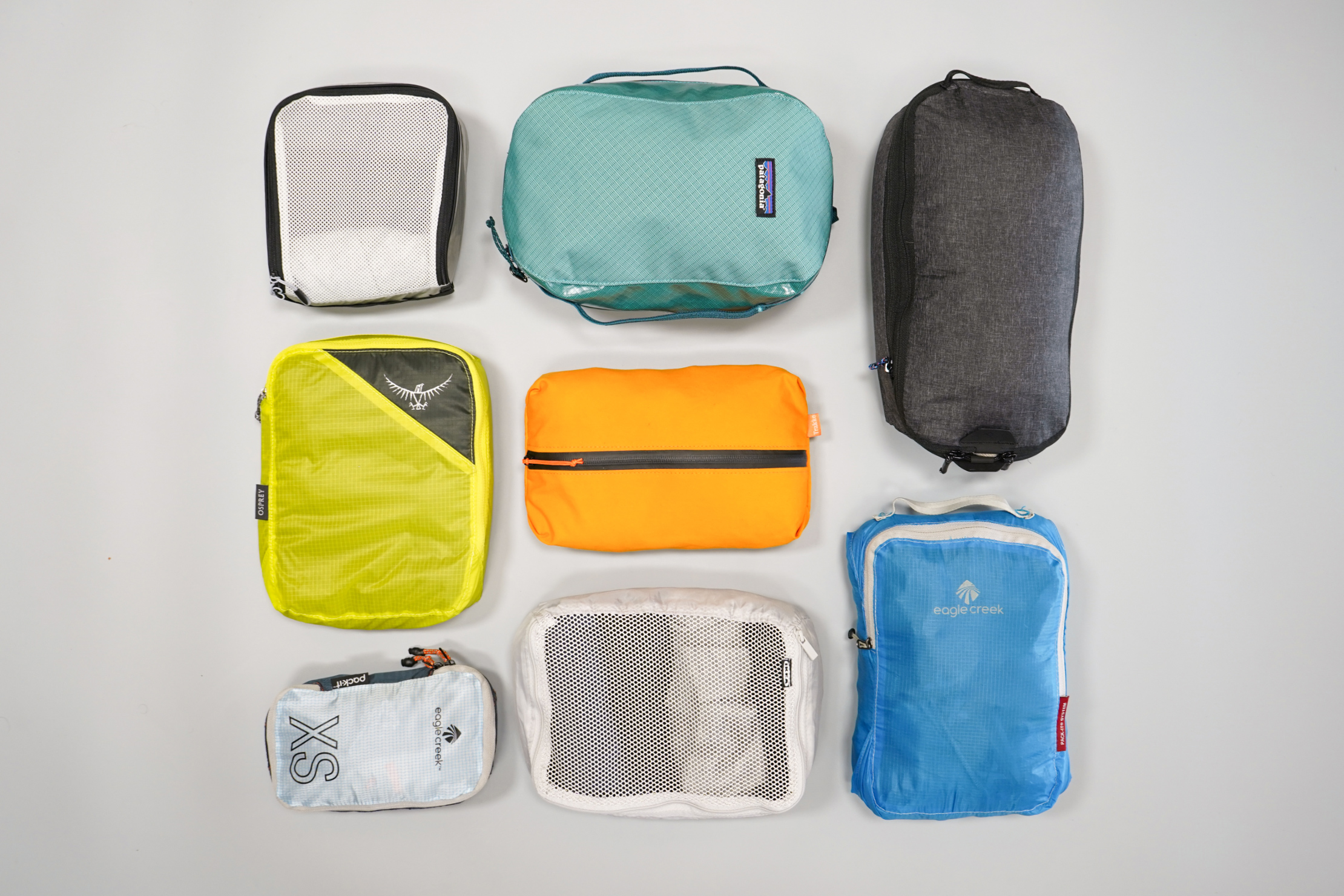
- Packing cubes: Separate tops/bottoms/underwear; compress bulky items.
- Roll or fold consistently: Consistency = easier access and fewer wrinkles.
- Toiletries: Refill small bottles; keep liquids in a clear pouch for security.
- Shoes: 2 pairs max for carry-on (walkers + dressy/versatile); fill with socks.
- Electronics: Keep chargers/adapters in a small pouch; consider a universal adapter.

Care & Longevity
- Clean: Wipe shells; hand-wash soft packs with mild soap; air dry completely.
- Store: Keep dry, loosely packed to avoid creases and foam compression.
- Repair: Replace wheels/handles/zippers when possible; patch small fabric tears early.
FAQ
Is a 40L backpack really carry-on size?
Often yes, but it depends on dimensions, not just liters. Many 35–40L backpacks fit into typical carry-on frames. Check the actual cm/in measurements and your airline’s rules.
Hard shell or soft shell suitcase?
Hard shell: better impact protection and weather resistance. Soft shell: more pockets, easier to squeeze into tight spaces, sometimes lighter. Choose based on your gear and travel style.
Are spinner wheels durable?
Quality spinners with good bearings roll smoothly and last. If you travel on rough streets, consider larger wheels or a soft case with tougher wheel housings—or go backpack/hybrid.
What’s the best “one-bag” size?
For most adults, 35–45L is the sweet spot: big enough for 7–10 days with packing cubes, small enough to carry comfortably and (often) meet carry-on rules.
Final Tips
- Pick the lightest setup that meets your needs—your back will thank you.
- Prioritize fit, access, and organization over trendy features.
- Always verify airline dimensions before you fly; they do change.