Lisbon is a sun-drenched blend of medieval lanes, miradouros (viewpoints), tiled facades, and Atlantic breezes. This 3-day itinerary is designed for first-time visitors who want a smart balance of history, food, views, and relaxed wandering—without rushing. You’ll explore the old quarters, riverside Belém, and modern Parque das Nações, with practical tips for transport, budgeting, and where to stay.
At a Glance
- Day 1: Alfama, Sé Cathedral, Castelo de São Jorge, Tram 28, miradouros at sunset.
- Day 2: Belém highlights (Jerónimos Monastery, Belém Tower), Pastéis de Belém, MAAT riverfront.
- Day 3: Oceanário + cable car in Parque das Nações, Time Out Market, Bairro Alto rooftop.
Best for: First-timers who like scenic walks, history, affordable eats, and big views.
Good to know: Lisbon is hilly—wear comfy shoes and plan for stairs.
Day 1 — Alfama & the Historic Core
Morning — Alfama wander + Sé Cathedral. Start in Alfama, Lisbon’s oldest quarter. Let yourself get lost among steep cobbles, azulejo-lined walls, and laundry-draped balconies. Pop into the Sé Cathedral (Lisbon Cathedral), then continue upwards toward the castle. Pause at Miradouro de Santa Luzia for a classic red-roof panorama and bougainvillea-framed photos.
Late morning — Castelo de São Jorge. Walk the ramparts for 360° views over the Tagus and Baixa. It’s a great orientation stop: trace your next neighborhoods from above, then descend toward Baixa/Chiado.
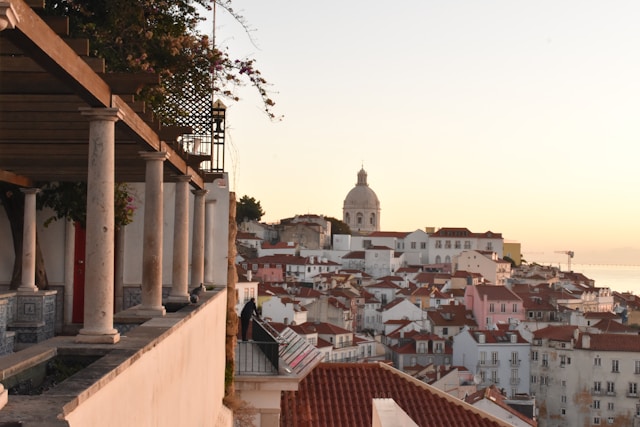
Lunch — Baixa to Chiado. Down in Baixa, streets are flat and grid-like—ideal for a breather. Grab a simple lunch (soup of the day and a bifana pork sandwich are classic). Walk up to Chiado for elegant storefronts and cafés; if you like bookstores, Livraria Bertrand claims the title of the world’s oldest operating bookshop.
Afternoon — Tram 28 ride (choose an off-peak window). The heritage yellow Tram 28 creaks through postcard streets, but queues can be long. Go mid-afternoon or after peak hours; keep a hand on your bag in busy stops.
Sunset — Miradouros. Lisbon’s viewpoints shine at golden hour. Top picks: Miradouro da Senhora do Monte (broad skyline) or Miradouro de São Pedro de Alcântara (castle view). End the night with grilled sardines or bacalhau, then—if you like—seek out a small fado house in Alfama or Mouraria.

Day 2 — Belém & the Riverfront
Morning — Jerónimos Monastery. Head to Belém by tram/bus/train. The Jerónimos Monastery is a Manueline-style masterpiece—go early to beat the lines. Inside, the cloisters are carved lace in stone; outside, the gardens and river light make photos effortless.
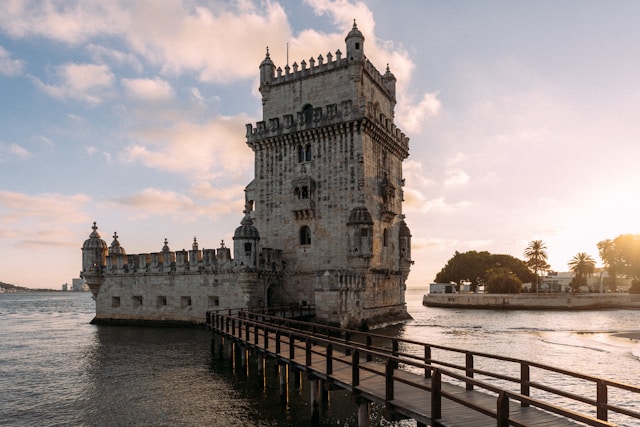
Late morning — Belém Tower & Padrão dos Descobrimentos. Walk the river path to the Torre de Belém, once guarding Lisbon’s harbor, then to the explorers’ monument. It’s a pleasant flat stroll; bring water in summer.
Lunch — Pastéis de Belém. Join the ritual: custard tarts warm from the oven, dusted with cinnamon. If it’s crowded, the interior seating areas often move faster than the takeaway line.
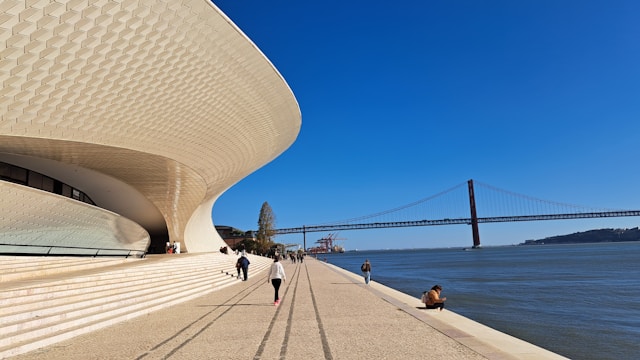
Afternoon — MAAT & river walk. The sinuous shell of MAAT (Museum of Art, Architecture and Technology) doubles as a rooftop promenade with Tagus views. Even if you skip the exhibits, strolling the riverfront is restorative.
Evening — LX Factory or Cais do Sodré. On the way back, detour to LX Factory for indie shops, street art, and rooftop drinks; or return to Cais do Sodré for waterfront bars.
Day 3 — Modern Lisbon & Markets
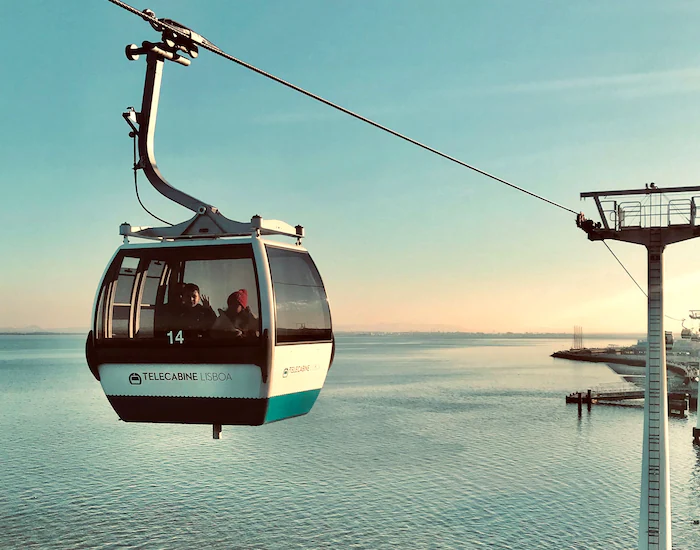
Morning — Parque das Nações + Oceanário. Built for Expo ’98, this riverside district contrasts old Lisbon with glass, light, and space. Ride the Telecabine cable car for aerial views, then visit the Oceanário, one of Europe’s top aquariums (great even if you’re not traveling with kids).
Lunch — Time Out Market (Mercado da Ribeira). A food-hall of Lisbon’s culinary scene under one roof. Go a little before peak times to secure a table; share plates to try more stalls.
Afternoon — Chiado shopping or street art in Mouraria. Return to the center for last-minute gifts (canned fish, ceramics, cork goods), or track murals and paste-ups in Mouraria/Intendente.
Evening — Rooftop sunset in Bairro Alto. End with a view: pick a rooftop bar for golden light over terracotta roofs and the 25 de Abril Bridge.
Where to Stay (Areas & Why)
Choose your base by vibe and mobility rather than chasing the cheapest bed—hills and tram queues can steal time. Here are reliable first-timer picks:
| Area | Best For | Why Choose It |
|---|---|---|
| Baixa / Chiado | First-timers, flat streets | Central, walkable, easy metro; cafés and shops at your doorstep. |
| Alfama | Atmosphere & views | Historic charm and fado; expect hills and steps. |
| Avenida / Marquês | Quieter nights | Solid transport links, larger hotels, good value off-peak. |
| Cais do Sodré | Nightlife & riverside | Easy access to Time Out Market and trains to Cascais. |
Getting Around
On foot: Central Lisbon is walkable but steep; plan “uphill mornings” and “downhill afternoons.”
Trams & buses: Iconic but crowded on popular lines (validate tickets as you board).
Metro: Fastest crosstown option; handy for airport runs.
Passes: Consider a 24-hour public transport pass if you’ll ride multiple times in a day.
- Tram 28 tips: Ride off-peak (late morning or mid-afternoon), keep belongings close, and board at a terminus for a seat.
- Airport to center: Metro (Red Line) or an airport bus; taxis and ride-hailing are abundant.
Typical Costs (Per Person)
Lisbon is affordable by Western European standards. Here’s a rough daily guide (not including flights):
| Traveler Type | Budget / day | Notes |
|---|---|---|
| Shoestring | €40–€60 | Hostel dorm, cheap eats, walking + occasional tram. |
| Mid-range | €80–€130 | Central hotel/guesthouse, mix of eateries, day passes. |
| Comfort | €150–€220+ | Boutique hotel, scenic meals, taxis when needed. |
Money savers: Book big attractions early; eat set-menu lunches; use day passes when stacking rides.
Best Time to Visit
- March–May: Pleasant temps, flowers, fewer crowds.
- September–October: Warm seas, golden evenings, easier reservations.
- July–August: Hottest and busiest—plan early starts and siestas.
- Winter: Mild, good value; bring a light jacket for breezy evenings.
Safety, Etiquette & Useful Tips
- Pickpockets: As in all popular cities—especially around tram stops and crowded viewpoints—keep bags zipped and front-facing.
- Dining: Cover charges for bread/olives may appear on the bill; say “no, thank you” if you don’t want them.
- Taxis/Rides: Confirm the meter; ride-hailing apps are widely used.
- Language: Basic English is common in tourist areas; a “obrigado/obrigada” goes a long way.
FAQ
Is 3 days enough for Lisbon?
Yes—this plan hits the historic core, Belém’s icons, and a taste of modern Lisbon. If you have a 4th day, consider a day trip to Sintra or Cascais.
Should I buy the Lisboa Card?
If you’ll visit multiple paid sights in a day (e.g., Jerónimos + Belém Tower + transit), the card can save money and time. Otherwise, pay as you go.
What’s the best area to stay?
For first-timers: Baixa/Chiado for central convenience; Alfama for old-world charm (expect hills); Cais do Sodré for nightlife and river access.
Can I ride Tram 28 without the crowds?
Go off-peak (late morning or mid-afternoon), start at a terminus, and watch your belongings. Alternatively, sample a shorter segment rather than the full loop.
How hilly is Lisbon, really?
Hilly enough to plan around it—group uphill sights together and build in café breaks. Good shoes make a bigger difference than you’d think.
Next Steps
Use this 3-day framework as a base and swap in what you love most—more museums, more cafés, or more viewpoints. If you’re continuing through Portugal, consider adding Sintra, Cascais, Porto, or the Alentejo coast.